There was a time when luxury travel meant crystal chandeliers, gilded lobbies and the kind of opulence that announced itself from the driveway. The bigger the marble fountain, the better the hotel. The louder the statement, the higher the star rating. But something has shifted. Quietly, almost imperceptibly, the most discerning travellers in the world have started choosing a different kind of experience altogether.
Welcome to the era of quiet luxury in travel, a movement defined not by what you see but by what you feel. It is the soft linen curtain that moves with the breeze. The absence of a reception desk. The villa that has no signage at all, just a wooden gate and a path lined with frangipani. It is luxury that does not need to prove itself because it already knows what it is.
What Quiet Luxury Actually Means
At its core, quiet luxury is about restraint. It is the rejection of excess in favour of intention. In fashion, it gave us the rise of Brunello Cucinelli and The Row, brands that whisper rather than shout. In travel, it has produced a new generation of properties that prioritise atmosphere over amenity lists, and personal space over public spectacle.
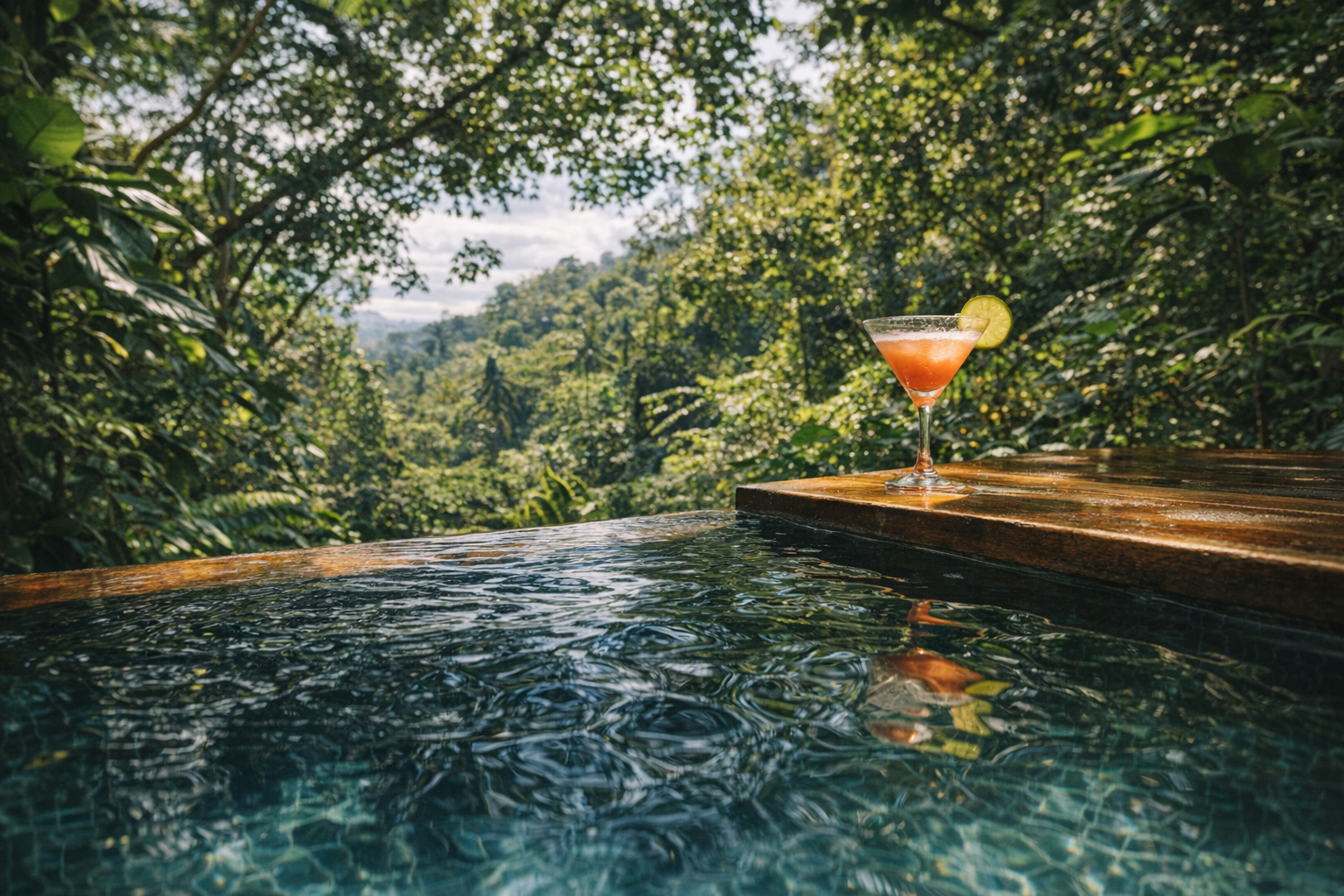
Think of a villa in Bali where breakfast appears on your terrace without a knock. Where the architecture bends around a centuries-old banyan tree rather than removing it. Where the pool is positioned not for its photograph but for the way the afternoon light falls across its surface. This is design with soul, hospitality without performance.
The Decline of Performative Travel
Social media accelerated the performative era of travel, but it has also, paradoxically, hastened its decline. After a decade of influencer-curated infinity pools and identikit boutique hotels, a growing segment of luxury travellers have grown weary of places that exist primarily to be photographed. They want somewhere that feels real. Somewhere that prioritises the guest experience over the content opportunity.
This is not anti-luxury. It is the evolution of it. The guests who seek quiet luxury are not downgrading. They are refining. They still expect impeccable quality, but they want it delivered without ceremony. The thread count matters, but the monogram does not.
A New Language of Space
Quiet luxury speaks through architecture and spatial design. Open-air living rooms. Indoor gardens. Bathrooms that feel like private courtyards. The materials are natural, stone, teak, rattan, chosen not because they are trending but because they age beautifully and connect the guest to their surroundings.
Lighting is considered with the same care as furniture. Artificial light is warm, low and indirect. The real star is always natural light, how it enters a room, how it changes through the day, how it makes a space feel alive rather than staged.
Why It Matters Now
The rise of quiet luxury is not simply an aesthetic preference. It reflects a deeper cultural shift toward mindfulness, sustainability and authenticity. Travellers are asking better questions. Not where is the most exclusive resort, but where will I feel most at peace. Not what does this place look like, but how does it make me feel.
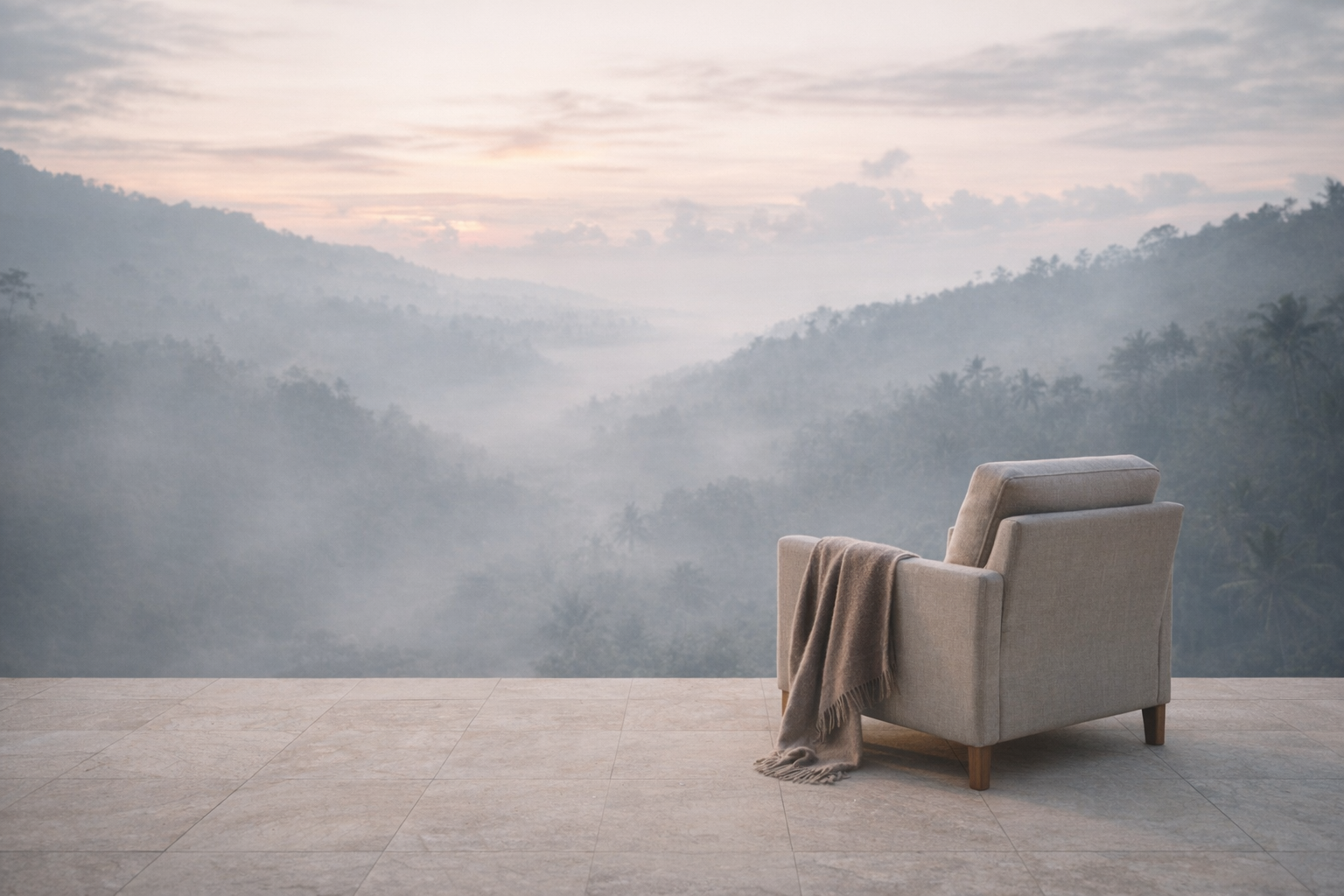
In a world that is increasingly loud, the most radical thing a luxury property can do is offer silence. Real silence. The kind that lets you hear the rustle of palm fronds, the distant sound of water, your own breathing settling into a slower rhythm.
Quiet luxury is not a trend. It is a correction. And for those who have experienced it, there is no going back.