You walk into a hotel room and something feels off. The bed is comfortable, the bathroom is clean, the view is acceptable. Yet you feel restless. Confined. Unable to fully relax. Now imagine a different space, one where you exhale the moment you cross the threshold. Where the room seems to breathe with you. Where you instinctively slow down, drop your shoulders and feel the holiday begin. The difference between these two experiences is not about price or star ratings. It is about space, and how it has been designed to make you feel.
The psychology of space is a well-established field, but its application to holiday accommodation remains surprisingly underexplored. Most hospitality design focuses on aesthetics, on what a room looks like in photographs. The deeper question, how a room makes someone feel, requires a different kind of thinking altogether.
Why Ceiling Height Changes Everything
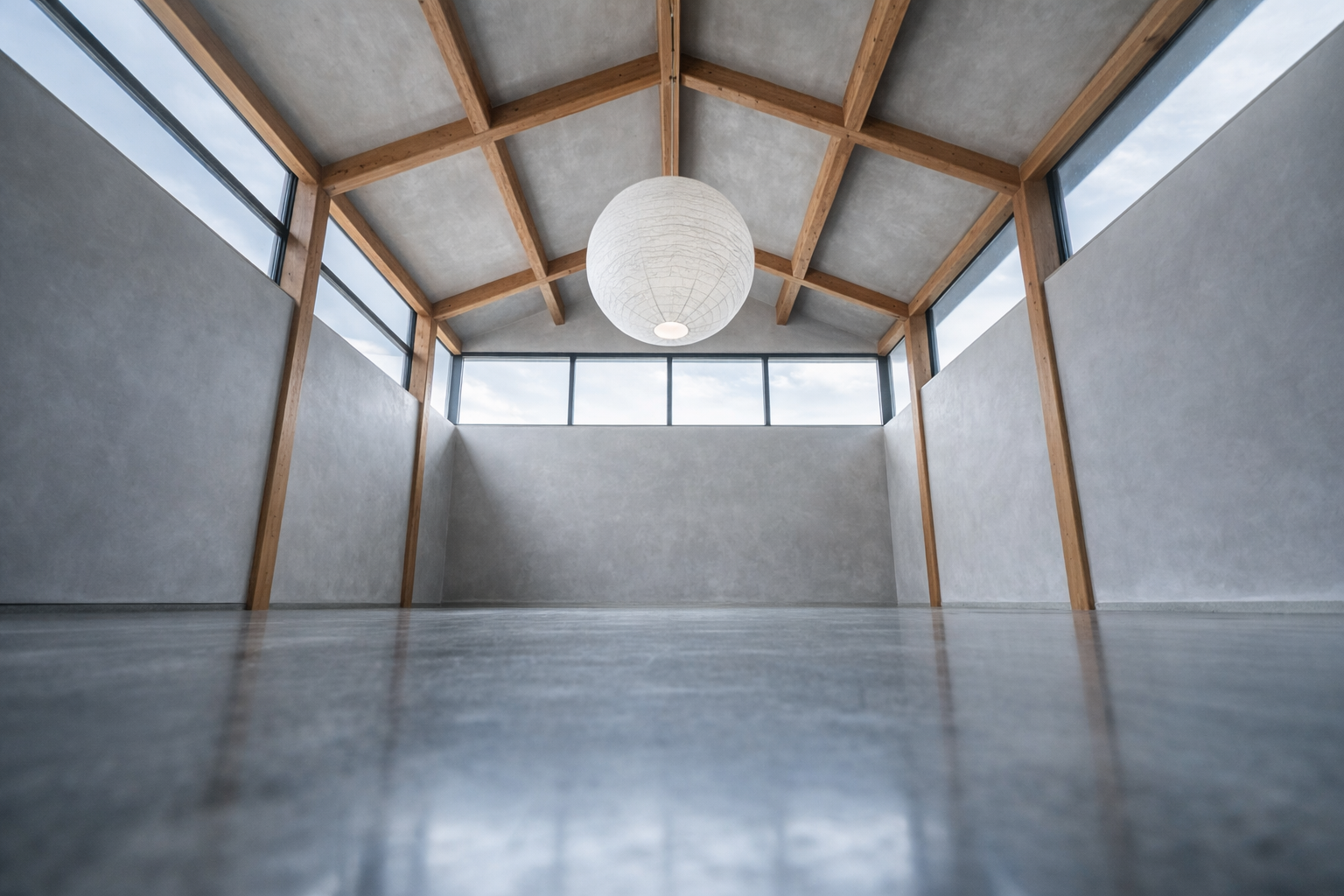
Research in environmental psychology has consistently shown that ceiling height affects cognitive processing. Higher ceilings promote abstract thinking, creativity and a sense of freedom. Lower ceilings encourage focus, intimacy and containment. The best accommodation uses both, higher ceilings in living and social spaces, lower ceilings in bedrooms and reading nooks. This variation creates a psychological journey through the property, each room offering a subtly different emotional register.
According to Dezeen, spatial quality is increasingly recognised as a key driver of perceived property value, with ceiling height and natural light ranking among the most influential factors. In hospitality, this translates directly into guest satisfaction. A villa with generous ceiling heights in shared spaces simply feels more luxurious than one with standard dimensions, regardless of how expensive the furniture is.
The Role of Sightlines
Humans are wired to feel comfortable when they can see an entrance without being directly exposed to it. This principle, known in environmental psychology as prospect and refuge, explains why the best seat in a restaurant is always the corner booth with a view of the door. In accommodation design, sightlines determine whether a space feels secure or exposed, open or claustrophobic.
Great villa design manages sightlines with precision. From the bed, you can see the garden but are shielded from the path. From the living room, the pool is visible but the property boundary is softened by planting. These layered views create a sense of expansiveness while maintaining privacy, a combination that is psychologically very powerful.
Natural Light and Circadian Rhythm
Light is the single most important environmental factor affecting mood, sleep quality and overall wellbeing. Holiday accommodation that maximises natural light, particularly morning light, actively supports the guest's circadian rhythm. East-facing bedrooms with unobstructed windows allow the body to wake naturally, reducing jet lag and improving sleep quality from the very first night.
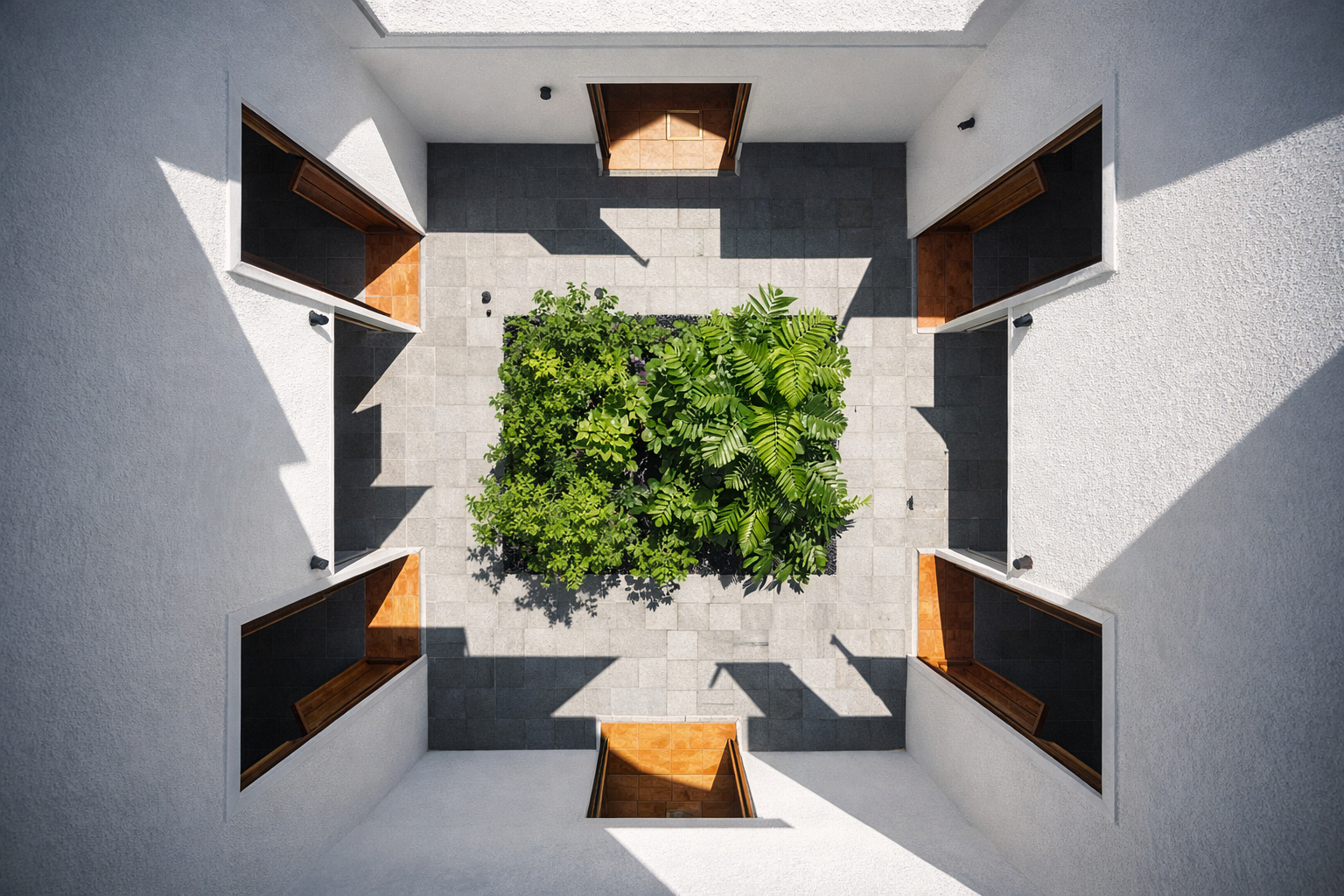
The quality of light matters as much as the quantity. Direct tropical sun can be harsh and exhausting. The best properties filter it through deep overhangs, perforated screens or canopy planting, creating a dappled, shifting light that feels alive without being aggressive. This interplay of light and shadow is one of the most underrated elements in tropical architecture.
Acoustic Space
Sound shapes space just as powerfully as light. A room with hard surfaces and parallel walls creates echo and amplification. A room with soft furnishings, varied surfaces and non-parallel walls absorbs sound and creates intimacy. In holiday accommodation, acoustic design determines whether a villa feels peaceful or merely quiet, whether a conversation feels private or overheard.
Water features are a classic acoustic tool, used throughout Balinese architecture to mask ambient noise and create a consistent, soothing sound layer. The gentle splash of a fountain or the trickle of a water wall does not just sound pleasant. It actively reduces the brain's alertness to sudden noises, promoting deeper relaxation.
Space as Experience
The most successful holiday properties understand that space is not a backdrop to the experience. It is the experience. Every dimension, every material, every transition between inside and outside contributes to how the guest feels. When these elements are handled with skill and intention, the result is a place that does not just accommodate you. It transforms you.
That is the real psychology of space. Not a formula, but a feeling. And when you find a property that gets it right, you carry that feeling home with you, long after the holiday is over.