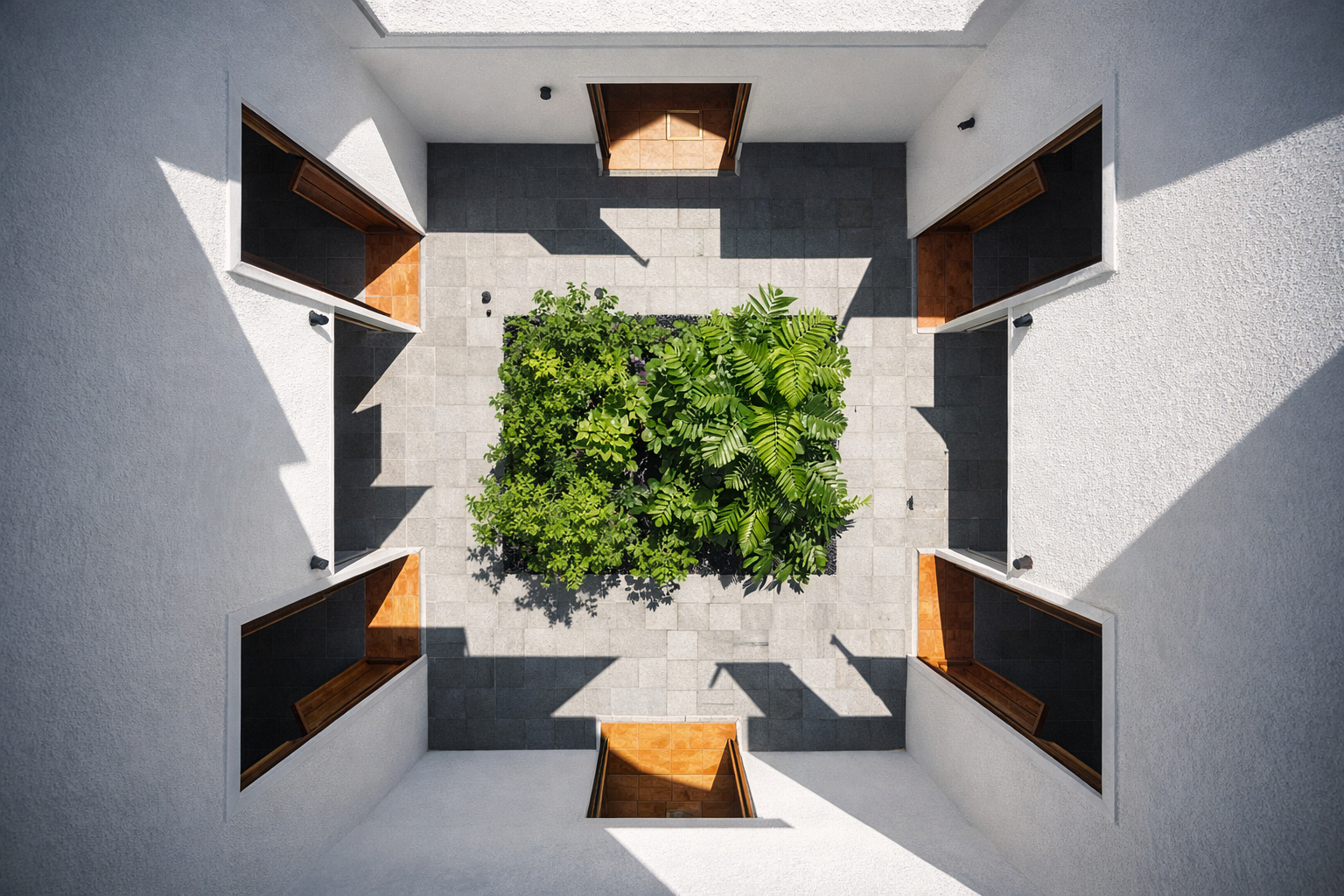
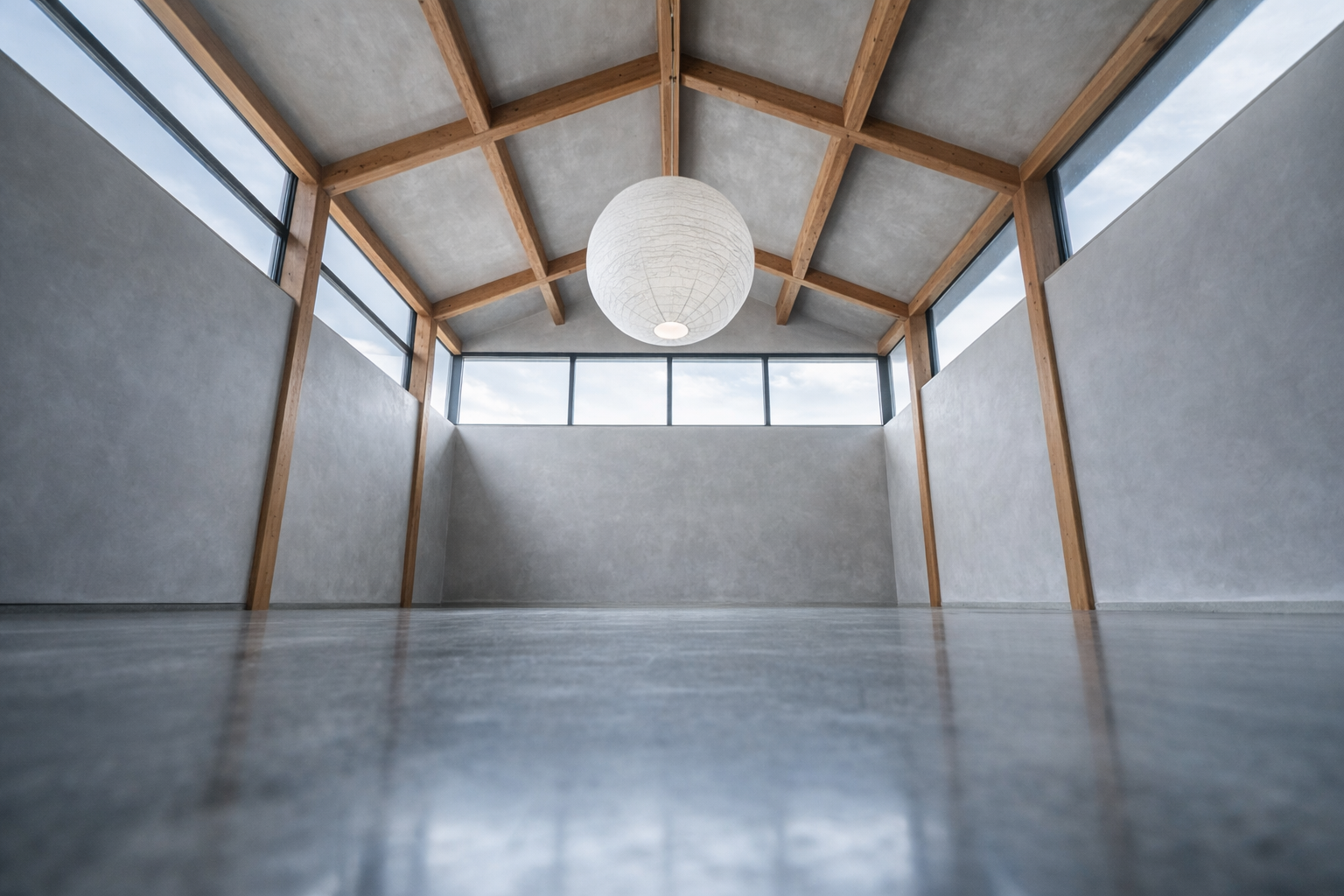
Walk into a truly exceptional space and you may not be able to articulate what makes it special. The feeling arrives before the analysis. There is a warmth, a coherence, a sense that everything belongs exactly where it is. This is not accidental. It is the result of hundreds of small design decisions, each one deliberate, each one building on the last to create something that transcends decoration and becomes atmosphere.
The difference between a beautiful space and an unforgettable one lives in the details. Not the obvious ones, not the statement chandelier or the imported marble, but the quieter choices that most people never consciously notice yet always feel.
The Power of Material Honesty
Great design begins with material selection, and the finest spaces share a commitment to honesty in their materials. Real timber rather than laminate. Hand-finished plaster rather than paint over plasterboard. Natural stone with its imperfections left intact rather than polished into uniformity. These choices create surfaces that respond to light differently throughout the day, that develop patina over time, that feel alive rather than manufactured.
According to ArchDaily's architectural analysis, material quality remains the single most cited factor among high-net-worth buyers when describing what makes a property feel premium. It is not about expense. It is about authenticity. A concrete floor finished with care can feel more luxurious than cheap marble, because the eye recognises craft even when the mind does not name it.
Light as a Design Material
Lighting is perhaps the most underestimated element in interior design, and it is the one that separates good spaces from extraordinary ones. The best designers treat light as a material in its own right, something to be shaped, directed and controlled with the same precision as timber or stone.
Natural light should be the primary consideration. The orientation of windows, the depth of overhangs, the reflective quality of surfaces, all of these determine how a room feels at different hours. Artificial lighting should then complement this, never compete with it. Warm, indirect sources placed at varying heights create depth and intimacy. A single overhead light flattens a space. Layered lighting gives it dimension.
Proportion and Negative Space
One of the most common mistakes in interior design is filling every surface. Luxury is not abundance. It is editing. The most memorable spaces often have fewer objects than expected, but each one has been chosen with intention and placed with care. A single sculptural piece on a console. A vase with three stems rather than thirty. A wall left deliberately bare to let the texture of the plaster speak.
Proportion matters at every scale. The height of a ceiling relative to the width of a room. The depth of a shelf relative to the objects it holds. The gap between a sofa and a coffee table. When these proportions are right, a room feels effortless. When they are wrong, something feels off even if you cannot say what.
Texture Over Pattern
Pattern dates. Texture endures. The most timeless luxury spaces rely on a layered palette of textures rather than decorative prints. Linen against leather. Rough stone beside smooth concrete. Woven rattan alongside polished teak. These combinations create visual richness without visual noise, a complexity that rewards the eye without overwhelming it.
Touch is central to this. A space that invites you to run your hand along a surface is a space that has succeeded in engaging more than just the visual sense. The best interiors are multi-sensory. They have a sound quality, an ambient temperature, even a scent that contributes to the overall impression.
The Details You Never See
Perhaps the truest measure of design quality is what happens in the places most people never look. The underside of a staircase. The interior of a drawer. The finish on a hinge. When these details are handled with the same care as the visible surfaces, it signals a level of commitment that elevates the entire experience. You may never open that cabinet, but knowing that someone cared enough to finish the inside as beautifully as the outside changes how you feel about the space as a whole.
Unforgettable design is never about a single moment. It is about consistency of care, applied at every scale, in every corner, whether anyone is looking or not. That is what makes a space linger in memory long after you have left it.